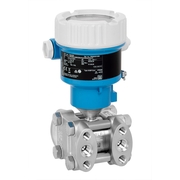
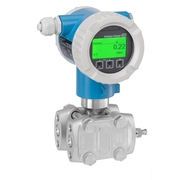
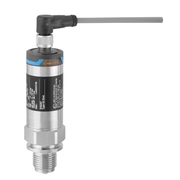
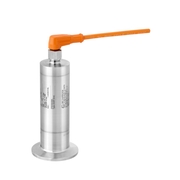
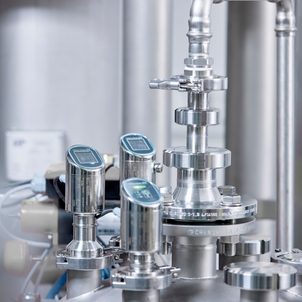
Pressure measurement
Pressure and differential pressure measurement for liquids, gases and vapors
F
L
E
X
Simple products
Easy to select, install and operate
Technical excellence
Simplicity
Standard products
Reliable, robust and low-maintenance
Technical excellence
Simplicity
High-end products
Highly functional and convenient
Technical excellence
Simplicity
Specialized products
Designed for demanding applications
Technical excellence
Simplicity
FLEX selections
Technical excellence
Simplicity
Fundamental selection
Meet your basic measurement needs
Technical excellence
Simplicity
Lean selection
Handle your core processes easily
Technical excellence
Simplicity
Extended selection
Optimize your processes with innovative technologies
Technical excellence
Simplicity
Xpert selection
Master your most challenging applications
Technical excellence
Simplicity
New
Compare
Accuracy
Standard:
Process temperature
Standard:
Pressure measuring range
100 mbar…100 bar
Material process membrane
316L
Measuring cell
100 mbar…100 bar
Accuracy
Standard:
Process temperature
Standard:
Pressure measuring range
400 mbar...700 bar
Main wetted parts
316L, AlloyC,
Material process membrane
316L, AlloyC,
Measuring cell
400 mbar...700 bar
Accuracy
Standard:
Process temperature
-70°C...+250°C
Pressure measuring range
100 mbar...40 bar
Main wetted parts
316L
Material process membrane
316L
Measuring cell
100 mbar...40 bar
Accuracy
0.075% of individual sensor,
Process temperature
–25...+150°C
Pressure measuring range
100mbar...40bar
Process pressure / max. overpressure limit
60 bar (900 psi)
Material process membrane
Ceramic
Measuring cell
100 mbar...40 bar
Accuracy
0.075% of individual sensor,
Process temperature
–40...+125°C
Pressure measuring range
400 mbar...10 bar
Process pressure / max. overpressure limit
160 bar (2400 psi)
Main wetted parts
316L, Alloy C
Material process membrane
316L, AlloyC,
Measuring cell
400 mbar...10 bar
Accuracy
0.3 %
Process temperature
-25 °C…+100 °C
Pressure measuring range
+100 mbar…+40 bar
Measuring cell
+100 mbar…+40 bar
Accuracy
Standard:
Measuring range
10 mbar...40 bar
Process temperature
-40°C...+110°C (-40°F...+230°F)
Medium temperature range
-40°C...+110°C
Pressure measuring range
10 mbar.... 40 bar (0.15 psi... 600 psi)
Main wetted parts
316L, AlloyC
Material process membrane
316L, AlloyC,
Wetted materials
316L, Alloy
Measuring cell
10 mbar.... 40 bar (0.15 psi... 600 psi)
Accuracy
Standard:
Max. measurement error
Standard:
Measuring range
10 mbar...250 bar
Process temperature
-40°C...+110°C
Pressure measuring range
10 mbar...250 bar
Main wetted parts
316L, AlloyC,
Max. process pressure
420 bar (6300 psi)
Material process membrane
316L, AlloyC,
Wetted materials
316L,
Measuring cell
10 mbar...250 bar
Accuracy
0.3%
Process temperature
-40…+100°C
Pressure measuring range
400 mbar…+400 bar
Measuring cell
+400 mbar…+400 bar
Accuracy
0.3%
Process temperature
-10…+100°C
Pressure measuring range
400 mbar…+40 bar
Measuring cell
+400 mbar…+40 bar
Do you need help selecting and sizing your next device?
Comfortably select, size and configure best-fit products for your measuring tasks and application.
Instrumentation for pressure measurement
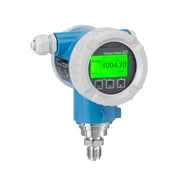
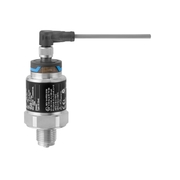
Endress+Hauser offers a comprehensive portfolio of pressure measurement instruments for industrial applications involving liquids, pastes and gases. The devices cover absolute, gauge, differential and hydrostatic pressure measurement and also enable reliable level and flow determination.
Designed for hygienic and non-hygienic applications, Endress+Hauser pressure transmitters deliver accurate and stable measurements across a wide range of industries, including chemical and petrochemical, pharmaceutical, food and beverage, environmental, power generation, shipbuilding and automotive industries.
In modern industrial process control, accurate and stable pressure measurement is essential for safe and efficient operation. Endress+Hauser pressure transmitters combine a robust design with advanced sensor technologies to deliver reliable and precise pressure measurement, even in demanding industrial environments.
Available sensor technologies include:
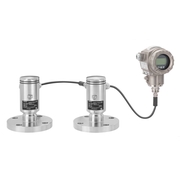
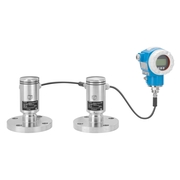
Ceramic pressure cells for chemically resistant pressure measurement and reliable performance in vacuum applicationsSilicon pressure cells offer high measurement accuracy with minimal temperature influenceMeasuring cells with Contite Technology , hermetically sealed and resistant to condensationDiaphragm seals to protect the pressure sensor from aggressive or abrasive process mediaFor differential pressure measurement, Endress+Hauser offers solutions based on two sensor modules combined with a single transmitter. In hydrostatic level measurement, the pressure transmitter digitally calculates the differential pressure by combining the hydrostatic pressure at the vessel bottom with the headspace pressure at the top, enabling reliable level determination.
Reliable process control: Accurate and stable pressure measurement ensures consistent product quality, optimized process efficiency and enhanced plant safety across a wide range of industrial applications.Versatile pressure transmitters: A comprehensive portfolio of pressure transmitters supports gauge pressure, absolute pressure, differential pressure and hydrostatic pressure, enabling reliable use with diverse applications and process media.Advanced sensor technologies: Ceramic, silicon, Contite Technology and diaphragm seal technologies enable precise pressure measurement even under extreme conditions such as aggressive media, high temperatures or vacuum.Compliance and safety: International certifications for hazardous areas, hygienic processes and functional safety ensure compliant and secure operation of pressure transmitters in regulated industrial environments.Low operating costs: A robust device design, long-term measurement stability and easy maintenance contribute to reduced lifecycle costs and high plant availability.Worldwide availability and support: A global network ensures worldwide availability of instrumentation, services and support, from project planning to commissioning, operation and maintenance.
Learn more about pressure transmitters and pressure measuring principles
How is pressure measured?
Pressure measurement describes the determination of the force exerted by a fluid (liquid or gas) on a surface. It is typically expressed as force per unit area, using units such as pascal (Pa), bar or psi. Accurate pressure measurement is essential for safe, reliable and efficient process control across a wide range of industrial applications.
What is a pressure transmitter and how does a 4–20 mA output signal work?
A pressure transmitter is a measuring device that converts physical pressure into an electrical signal for monitoring, control and automation systems. Using different pressure sensor technologies, the transmitter detects pressure changes and transmits the measured values to control systems. Pressure transmitters are used for a broad range of applications, from gauge pressure and absolute pressure measurement to differential pressure and hydrostatic pressure measurement, including level and flow determination.
Many pressure transmitters use a standardized 4–20 mA analog output signal to transmit measured pressure values to industrial control systems. The measured pressure range is represented by the current signal, where 4 mA corresponds to the lowest pressure value and 20 mA represents the highest pressure value. Many pressure transmitters offer a 4-20 mA output signal, because it ensures high noise immunity, reliable signal transmission over long distances and compatibility with most process control and automation systems.
What are the main types of pressure measurement?
There are several types of pressure measurement, defined by the reference point used by the pressure transmitter. The most common pressure measurement types in industrial applications include absolute pressure, gauge pressure, differential pressure and hydrostatic pressure measurement.
Absolute pressure
Absolute pressure is measured relative to a vacuum (zero pressure). It is commonly used in applications where atmospheric pressure variations must not influence the measurement.
Gauge pressure
Gauge pressure measures pressure relative to ambient atmospheric pressure as the zero point. This type of pressure measurement is widely used for monitoring overpressure and underpressure in industrial processes.
Differential pressure
Differential pressure measurement determines the pressure difference between two process points. Differential pressure transmitters typically have two pressure ports and are used for flow, filter monitoring and level measurement applications.
Hydrostatic pressure
Hydrostatic pressure measurement refers to the pressure exerted by a fluid at rest due to gravity. It compares the hydrostatic pressure at the base of a fluid column with a defined reference pressure. Because hydrostatic pressure measurement is not affected by foam formation or vessel internals, it is widely used for continuous level measurement in tanks and open vessels.
How do temperature changes affect pressure measurement accuracy?
Temperature changes can influence the measurement accuracy of pressure transmitters by affecting sensor materials, fill fluids and electronic components. Ambient and process temperature fluctuations may cause signal drift or measurement deviations if they are not properly compensated.
Endress+Hauser pressure transmitters are designed with integrated temperature compensation and robust materials such as stainless steel to minimize temperature‑related measurement errors. In applications with diaphragm seals, advanced technologies such as the TempC Membrane further reduce the influence of process and ambient temperature fluctuations, ensuring stable and accurate pressure measurement even in harsh industrial environments.
How do diaphragm seals and capillary systems improve pressure measurement under harsh process and ambient conditions?
Diaphragm seals improve pressure measurement accuracy and reliability by protecting the pressure transmitter from aggressive, abrasive or viscous process media. The process pressure acts on the diaphragm and is transmitted via a fill fluid to the pressure sensor, ensuring safe and reliable measurement under harsh process conditions. This indirect pressure transmission isolates the sensor from the process, making diaphragm seals ideal for applications with high temperatures, corrosive media or hygienic requirements.
In remote diaphragm seal assemblies, capillary systems are used to transmit the pressure signal from the diaphragm seal to the pressure transmitter. These systems must operate within defined ambient temperature and pressure limits to maintain measurement accuracy. Ambient conditions such as temperature fluctuations, thermal radiation and environmental exposure can influence the performance of capillary‑based pressure transmitters, potentially leading to measurement deviations if not properly managed.
To ensure stable and accurate pressure measurement, capillary systems are commonly used with differential pressure and hydrostatic pressure transmitters, particularly in applications involving high process temperatures, aggressive media or difficult‑to‑access measuring points. To maintain measurement accuracy, the installation must ensure that the ambient temperature at the transmitter housing remains within the specified limits and that the capillaries are properly routed and protected against external temperature influences. Advanced technologies such as the TempC Membrane further enhance pressure measurement performance by minimizing temperature‑related measurement errors. This results in improved accuracy and long‑term stability, even in applications with strong ambient or process temperature fluctuations.
Endress+Hauser provides detailed application guidelines for diaphragm seals and capillary systems to support reliable pressure measurement under varying process and environmental conditions.
What are the different units of pressure measurement?
Pressure can be measured in several standardized units, depending on the application, industry and regional standards. The most common pressure measurement units used in industrial applications include:
Pascal (Pa) – The SI unit for pressure. One pascal equals one newton per square meter (1 Pa = 1 N/m²), meaning that a force of one newton applied evenly over an area of one square meter results in a pressure of one pascal. The pascal is mainly used in scientific, laboratory and low‑pressure applications.Bar – Widely used in industrial applications. One bar equals 100,000 pascals (1 bar = 100,000 Pa) and is commonly applied in process automation, mechanical engineering and plant operation.Millibar (mbar) – Common in meteorology and low‑pressure applications. One millibar equals 100 pascals (1 mbar = 100 Pa).Atmosphere (atm) – Based on the average atmospheric pressure at sea level. One atmosphere is approximately 101,325 pascals (1 atm ≈ 101,325 Pa).Torr - Primarily used in vacuum measurement and thin‑film applications. One torr equals approximately 133.322 pascals (1 Torr ≈ 133.322 Pa).Pounds per square inch (psi) – Common in mechanical systems and widely used in the United States. One psi equals approximately 6,894.76 pascals (1 psi ≈ 6,894.76 Pa).Endress+Hauser pressure transmitters support all common pressure measurement units, including Pa, bar, mbar, psi, atm and torr, across the portfolio of absolute, gauge, differential and hydrostatic pressure instruments. This ensures compatibility with global standards and diverse industrial applications. Typical pressure transmitter measuring ranges extend from 0.3 inches of water column (inWC) for low‑pressure applications up to 20,000 psi (PSIG) for high‑pressure industrial processes.
What are pressure gauges and how do they differ from pressure transmitters?
Pressure gauges are mechanical measuring devices that display pressure values directly at the point of measurement. They are commonly used for visual monitoring.
Common types of pressure gauges:
Bourdon gauges – Use a curved metal tube that flexes under applied pressure. The tube movement is mechanically transferred to a pointer, making it the most widely used type of pressure gauge in industrial applications.Liquid column manometers – Measure pressure by balancing the weight of a liquid column against the applied pressure. They are typically used for low‑pressure measurements and laboratory applications.Aneroid gauges – Use an elastic metallic element that deforms under pressure. This deformation is mechanically converted into a pressure reading.Unlike pressure gauges, pressure transmitters convert the measured pressure into an electrical signal, such as 4–20 mA or digital communication signals, which can be transmitted to control systems, PLCs, or distributed control systems (DCS). This makes pressure transmitters essential for process automation, continuous monitoring and advanced process control. While pressure gauges are suitable for simple, local pressure indication, pressure transmitters are used in automated industrial applications, including absolute, gauge, differential and hydrostatic pressure measurement.
What is dynamic pressure compared to static pressure and how are they measured?
Dynamic pressure
Dynamic pressure refers to the pressure generated by a moving fluid. It is directly related to the fluid’s velocity and plays a key role in flow measurement and flow calculation. Dynamic pressure is commonly used together with static pressure to determine the total pressure in fluid dynamics applications, such as flow monitoring in pipes, ducts and open channels. Dynamic pressure is especially important in industrial flow applications, ventilation systems and aerodynamic measurements, where changes in fluid velocity influence pressure conditions.
Dynamic pressure is measured by determining the pressure generated by a moving fluid. In practice, it is typically measured indirectly by comparing total pressure and static pressure. The difference between these two values represents the dynamic pressure and is directly related to the fluid’s velocity.
Static pressure
Static pressure is the pressure exerted by a fluid at rest or independent of its flow velocity. It represents the actual thermodynamic pressure of a liquid or gas acting uniformly in all directions on the walls of a vessel, pipe, or measurement surface. Static pressure is a fundamental parameter in pressure measurement and process monitoring. In industrial and engineering applications, static pressure is used to monitor system conditions, detect overpressure or underpressure and serve as a reference for other pressure measurements. Static pressure is also a key component in total pressure calculations, where it complements dynamic pressure in fluid flow applications.
Static pressure is commonly measured using instruments such as piezometers, which determine liquid pressure by measuring the height of a fluid column against gravity. This method is widely used in hydrology, groundwater monitoring and geotechnical engineering, as well as in low‑pressure liquid applications.
What is calibration and why is it important for pressure transmitters?
Calibration is the comparison of a pressure transmitter’s measured value with a known reference standard to identify any deviation from the expected pressure value. It does not change the device settings but verifies whether the instrument is measuring accurately within specified tolerances.
Calibration is essential when using pressure transmitters because temperature changes, process conditions and long‑term operation can influence measurement accuracy over time. Regular calibration helps detect measurement drift, ensures reliable pressure readings and supports consistent process control. By maintaining accurate pressure measurement, calibration improves plant safety, product quality and compliance with industry standards, while reducing the risk of unplanned downtime and process inefficiencies.
Endress+Hauser also offers factory calibration for pressure transmitters. Endress+Hauser pressure transmitters are factory‑calibrated during the manufacturing process using automated, traceable calibration systems. Each fully assembled pressure transmitter is calibrated and verified against defined reference pressure points to ensure it meets the specified accuracy and performance requirements before delivery. Depending on the selected option, Endress+Hauser can also provide factory calibration certificates, including ISO/IEC 17025 (DAkkS) accredited certificates, ensuring documented traceability and compliance with international quality standards.
How often should pressure transmitters be calibrated and which factors influence the calibration frequency of pressure transmitters?
The recommended calibration interval for pressure transmitters depends on the specific application, process conditions and regulatory requirements. In general, pressure transmitters are calibrated at regular intervals to ensure long‑term measurement accuracy, process safety and compliance with quality standards.
Several factors determine how often a pressure transmitter should be calibrated:
Process conditions such as temperature fluctuations, pressure cycles and aggressive media Environmental influences, including ambient temperature changes and vibration Accuracy requirements of the application Industry regulations and internal quality standards Temperature variations, in particular, can influence sensor performance over time. Without proper compensation, these fluctuations may lead to measurement drift and reduced reliability.
Thanks to their high long‑term stability and durable design, Endress+Hauser pressure transmitters help operators optimize calibration intervals without compromising measurement reliability. This reduces maintenance effort, lowers operating costs and increases plant availability, while maintaining confidence in measurement results.
Show more
Show less
Particularly small, exceptionally powerful: the Compact Line
The Compact Line offers high performance in a compact design. The product portfolio includes the Micropilot FMR43 , a compact radar device for non-contact level measurements with either 80 GHz or 180 GHz, as well as the proven-in-use point level sensor Liquiphant FTL43 and a reliable Cerabar PMP43 for pressure and hydrostatic level measurement. Specifically designed to meet the requirements in hygienic applications, our solutions increase the productivity, safety and simplicity of processes.
Downloads
Explore additional resources
Pressure Measurement Overview brochure
Products and services of our pressure measuring technologies at a glance
Download
We value your privacy
We use cookies to enhance your browsing experience, collect statistics to optimize site functionality, and deliver tailored advertisements or content.
By selecting "Accept all", you consent to our use of cookies.cookie policy .
Customize
Accept only essential
Accept all